Connect Buyers with Kenyan Suppliers: The Gateway to Reliable Trade in Kenya

Introduction
Kenya has become one of Africa’s fastest-growing trade hubs, connecting international markets with high-quality agricultural produce, manufactured goods, and natural resources. Businesses worldwide are increasingly looking for ways to connect buyers with Kenyan suppliers to access reliable products, competitive prices, and sustainable supply chains.
From fresh fruits and vegetables to textiles, handicrafts, and industrial goods, Kenyan suppliers offer a wide range of export-ready products. Digital trade platforms and B2B marketplaces now make it easier than ever to build partnerships, negotiate deals, and create long-term sourcing relationships.
This guide explores how businesses can connect buyers with Kenyan suppliers, the benefits of sourcing from Kenya, and the best strategies for building successful trade partnerships.
Why Businesses Want to Connect Buyers with Kenyan Suppliers
Kenya has established itself as a trusted supplier in global markets. Businesses searching for dependable sourcing opportunities increasingly turn to Kenyan suppliers for several key reasons.
1. High-Quality Agricultural Products
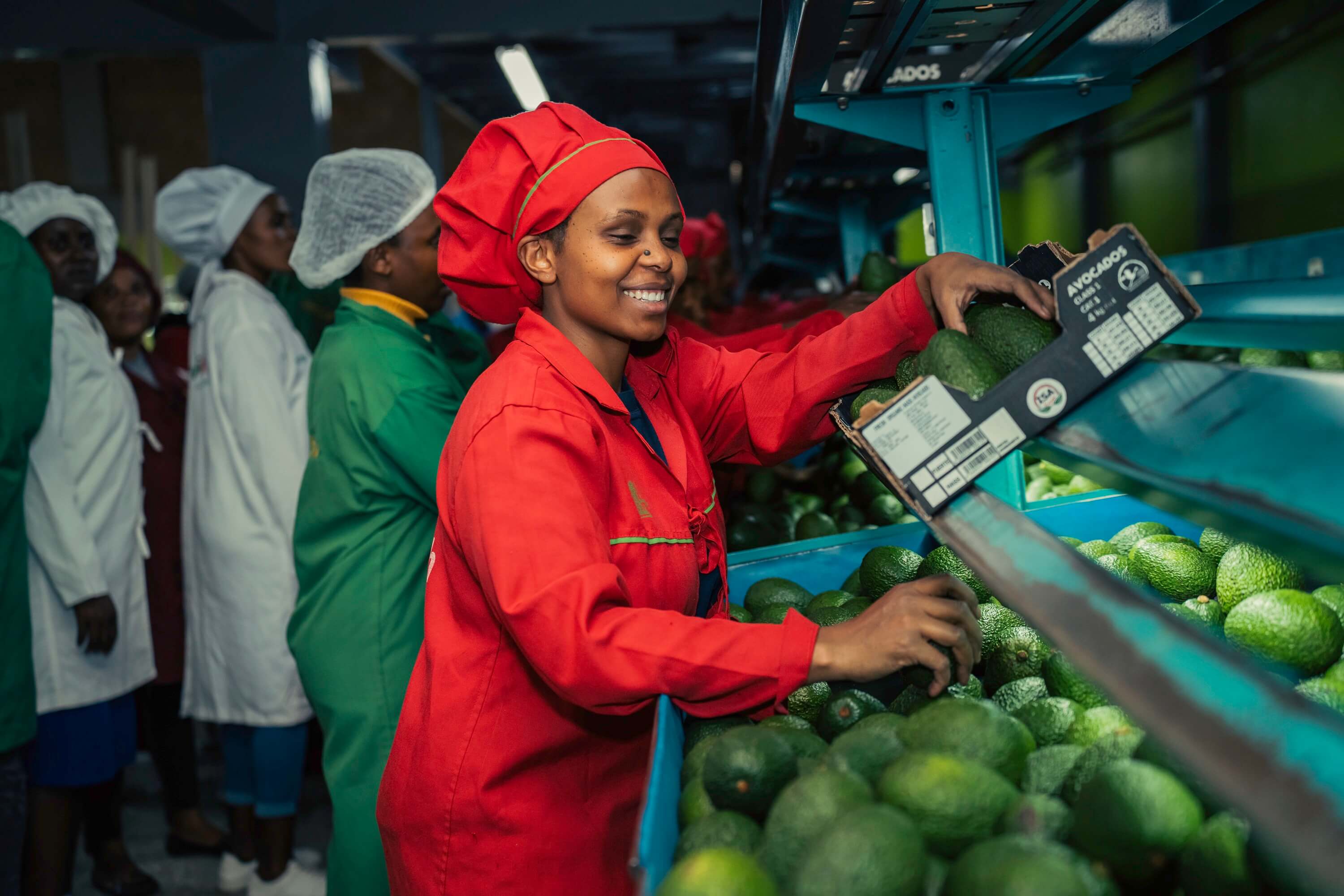
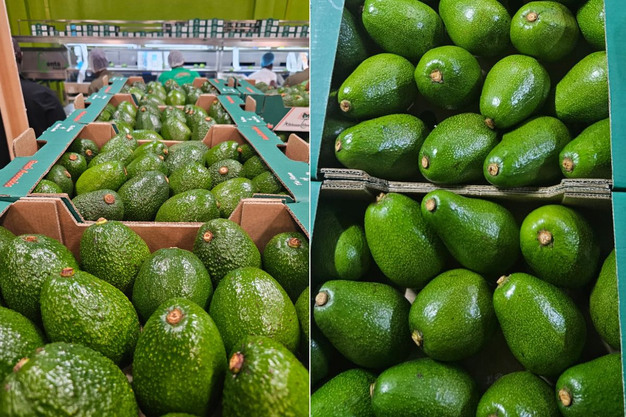
Kenya is globally known for its agricultural exports. The country produces premium fruits, vegetables, tea, and coffee that meet international standards.
Popular exports include:
-
Avocados
-
Mangoes
-
Pineapples
-
Passion fruits
-
Tea and coffee
-
Macadamia nuts
Many suppliers follow GlobalGAP and organic farming standards, ensuring consistent quality for global buyers.
2. Strategic Trade Location
Kenya serves as a major logistics hub for East Africa. With modern ports, airports, and road networks, Kenyan suppliers can efficiently export products to Europe, Asia, and the Middle East.
Major export infrastructure includes:
-
Mombasa Port
-
Jomo Kenyatta International Airport
-
Inland container depots
-
Regional transport corridors
These logistics advantages make it easier to connect buyers with Kenyan suppliers for fast and reliable international shipping.
3. Competitive Pricing
Kenyan suppliers offer highly competitive pricing due to:
-
Favorable agricultural conditions
-
Skilled labor
-
Growing manufacturing sector
This allows international buyers to maintain strong profit margins while sourcing high-quality products.
4. Growing Digital Trade Ecosystem
Modern B2B platforms and export marketplaces are helping businesses easily connect buyers with Kenyan suppliers through verified listings, product catalogs, and direct communication channels.
Digital platforms help eliminate intermediaries, allowing buyers to negotiate directly with suppliers.
Products Available from Kenyan Suppliers



Kenyan suppliers offer a wide variety of export products across multiple industries.
Fresh Produce
Kenya is among the largest exporters of fresh produce in Africa. Key products include:
-
Avocados
-
Mangoes
-
Bananas
-
French beans
-
Snow peas
-
Herbs and spices
Fresh produce is often exported to European supermarkets and international distributors.
Processed Agricultural Products
Kenya also exports processed food and agricultural products such as:
-
Macadamia nuts
-
Coffee beans
-
Packaged tea
-
Dried fruits
-
Essential oils
These products are popular among international wholesalers and specialty retailers.
Handicrafts and Artisan Products
Kenyan artisans produce beautiful handmade goods that are highly valued in global markets.
Examples include:
-
Handwoven baskets
-
Wooden carvings
-
Beaded jewelry
-
Home décor products
These products are widely exported to Europe, North America, and Asia.
Industrial and Manufactured Goods
Kenya’s manufacturing sector is growing rapidly. Buyers can connect with suppliers offering:
-
Textiles and garments
-
Packaging materials
-
Building materials
-
Leather products
This diversification allows businesses to connect buyers with Kenyan suppliers across many industries.
How to Connect Buyers with Kenyan Suppliers
Finding reliable Kenyan suppliers requires the right approach and tools.
1. Use Online B2B Marketplaces
Modern trade platforms allow buyers to connect directly with verified Kenyan suppliers. These marketplaces provide:
-
Product listings
-
Supplier verification
-
Direct messaging
-
Trade negotiation tools
Using B2B platforms helps buyers quickly discover new sourcing opportunities.
2. Attend Trade Shows and Export Exhibitions
Kenya regularly hosts trade events where buyers can meet suppliers face-to-face.
Examples include:
-
International trade fairs
-
Agricultural expos
-
Export promotion exhibitions
These events allow businesses to evaluate product quality and build trust with suppliers.
3. Work with Export Agents
Export agents and sourcing consultants can help buyers find reliable Kenyan suppliers, negotiate pricing, and manage logistics.
They often assist with:
-
Supplier verification
-
Quality inspection
-
Shipping coordination
-
Export documentation
4. Government Trade Agencies
Kenya has several organizations dedicated to promoting exports and connecting buyers with local suppliers.
These agencies help businesses access verified supplier databases and export support services.
Benefits of Connecting Buyers with Kenyan Suppliers
Building trade relationships with Kenyan suppliers offers numerous advantages.
Reliable Supply Chains
Kenya’s strong agricultural base and improving infrastructure support stable supply chains.
Sustainable and Ethical Production
Many Kenyan suppliers follow ethical sourcing practices, including:
-
Fair labor policies
-
Environmentally sustainable farming
-
Community development initiatives
Market Diversification
Sourcing from Kenya allows businesses to diversify their supplier base and reduce reliance on single markets.
Competitive Advantage
Companies that connect buyers with Kenyan suppliers can access unique products that stand out in global markets.
Digital Platforms Helping Buyers Connect with Kenyan Suppliers



Digital transformation is reshaping international trade. Online platforms now make it easier to connect buyers with Kenyan suppliers instantly.
Features commonly offered include:
-
Supplier verification systems
-
Product catalogs
-
Instant messaging with exporters
-
Secure payment options
-
Logistics coordination tools
These platforms help businesses build global trade relationships faster than traditional sourcing methods.
Tips for Choosing Reliable Kenyan Suppliers
Before entering a sourcing agreement, buyers should carefully evaluate potential suppliers.
Verify Certifications
Check for certifications such as:
-
GlobalGAP
-
Organic certification
-
Export licenses
These confirm product quality and compliance with international standards.
Request Product Samples
Always request samples to evaluate quality before placing large orders.
Review Supplier Experience
Look for suppliers with experience exporting to international markets.
Evaluate Logistics Capabilities
Reliable suppliers should have experience handling international shipping and export documentation.
The Future of Kenya’s Export Market
Kenya’s export industry continues to expand as global demand for African products grows. Government initiatives, improved logistics infrastructure, and digital trade platforms are helping more businesses connect buyers with Kenyan suppliers.
Key trends shaping the future include:
-
Growth of agricultural exports
-
Expansion of digital B2B marketplaces
-
Increased global demand for organic produce
-
Development of value-added products
These trends are positioning Kenya as a major supplier in global markets.
Conclusion
Businesses around the world are increasingly looking for ways to connect buyers with Kenyan suppliers to access high-quality products and build reliable trade partnerships. Kenya’s strong agricultural sector, growing manufacturing industry, and improving digital trade infrastructure make it an attractive sourcing destination.
Whether sourcing fresh produce, artisan goods, or industrial products, Kenyan suppliers offer excellent opportunities for international buyers. By using modern B2B platforms, attending trade events, and verifying suppliers carefully, businesses can build profitable and long-term partnerships in Kenya’s thriving export market.